
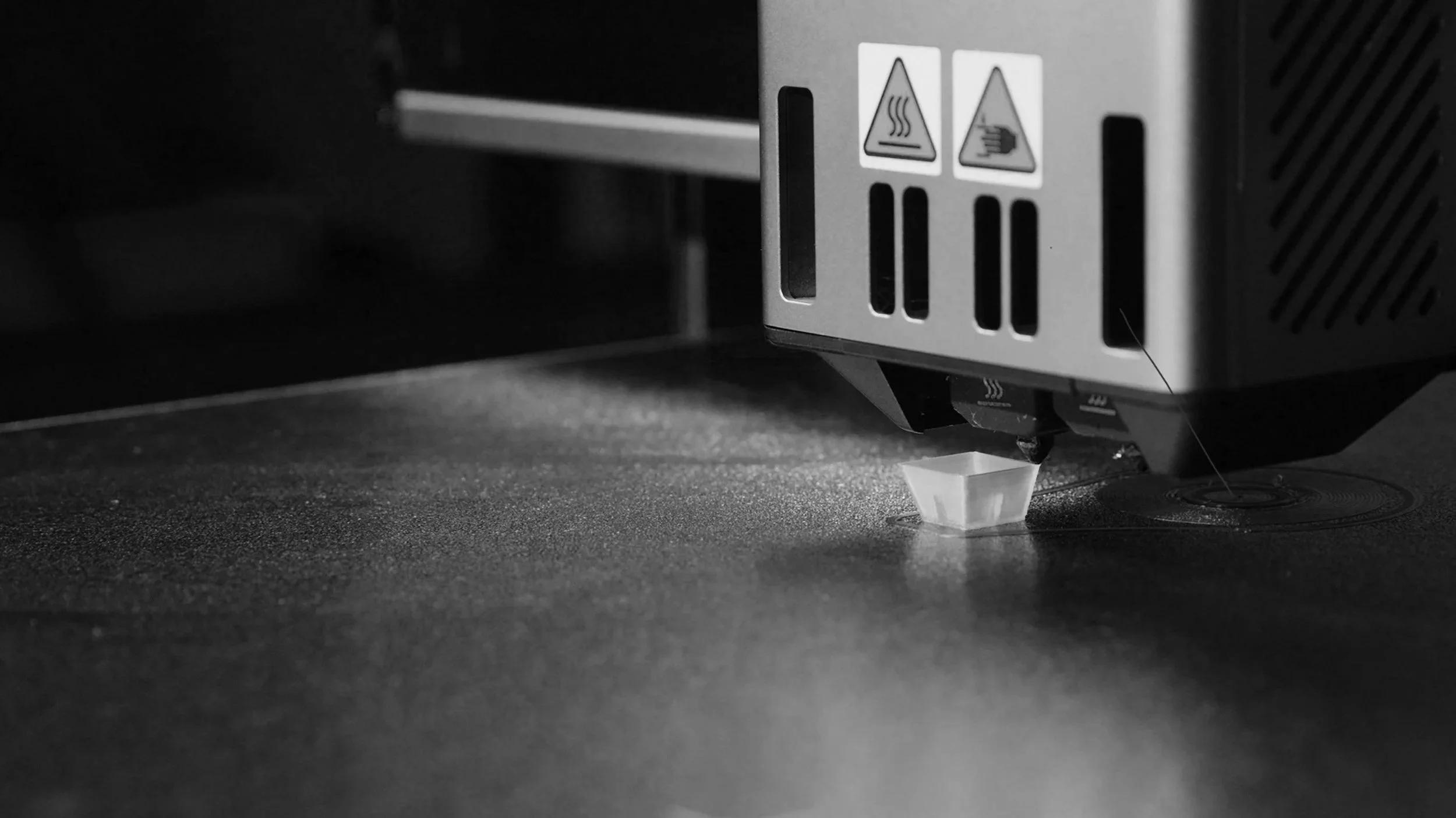
Additive Manufacturing
From rapid concept validation to functional end-use parts, Diversified Solutions Group helps companies accelerate development, reduce tooling costs, and bring products to market faster through industrial additive manufacturing technologies.
Move Faster. Spend Less. Iterate More
Traditional manufacturing methods often require significant upfront investments in tooling, molds, and production setup before a single part can be produced. Additive manufacturing removes these barriers, allowing companies to validate designs, test concepts, and produce functional components in days instead of months.
Whether you’re developing a new product, validating a design, or producing low-volume production parts, additive manufacturing provides the flexibility to move quickly while reducing risk.
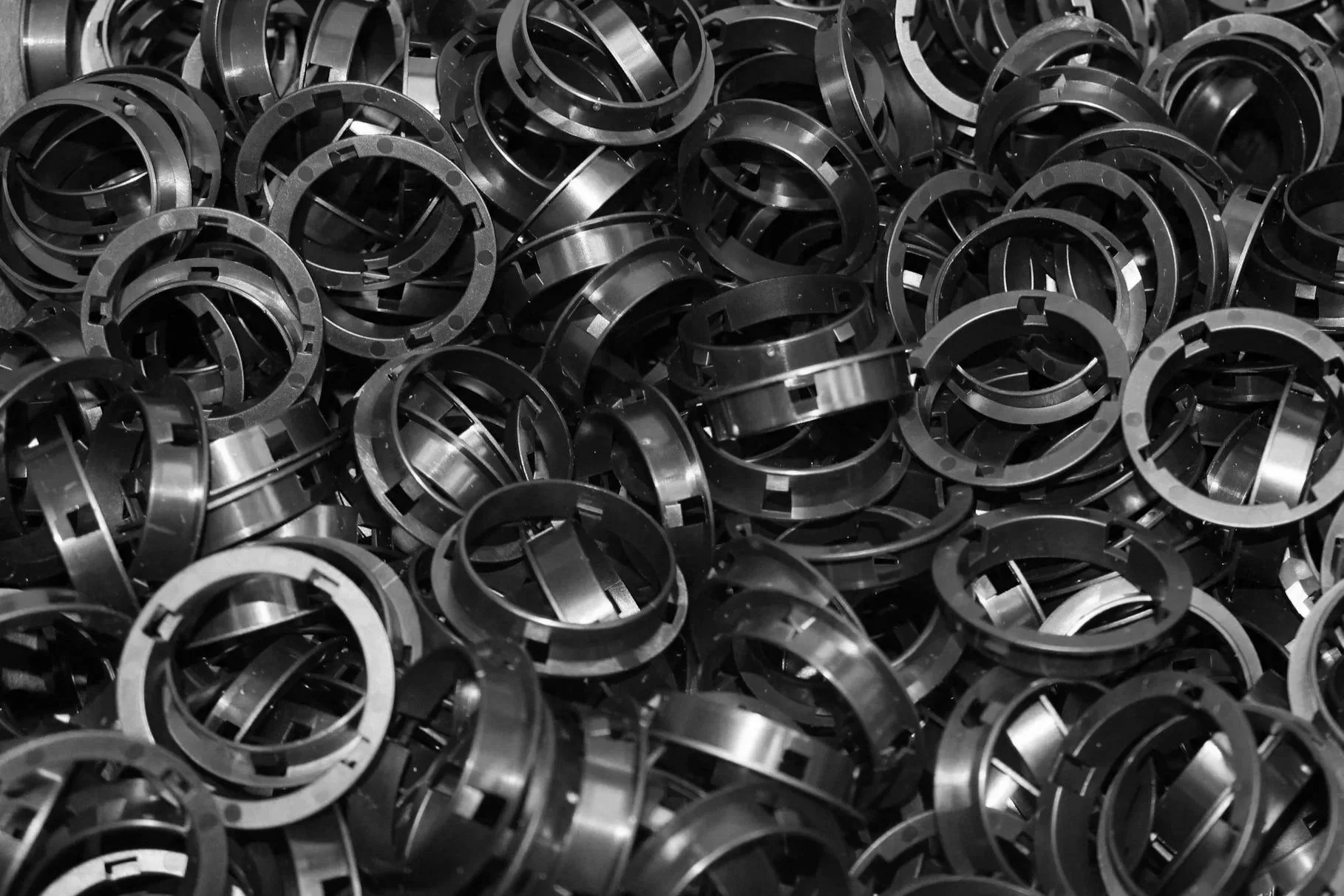
Additive Manufacturing Capabilities
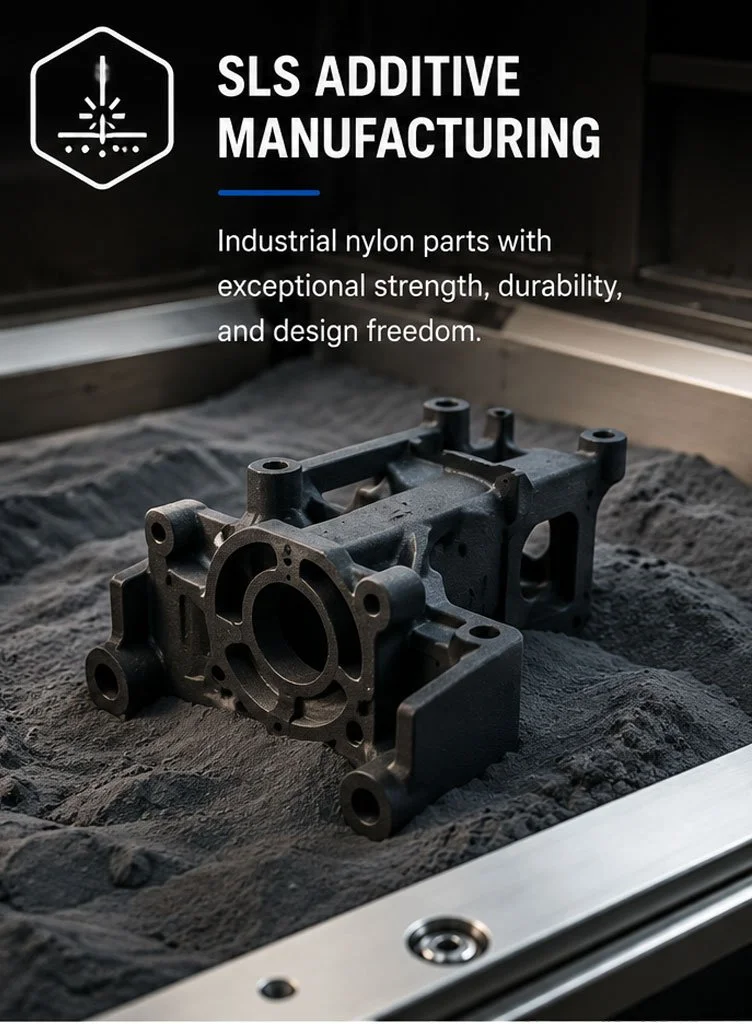
Industrial SLS Additive Manufacturing
Selective Laser Sintering (SLS) produces strong, durable nylon components capable of replacing traditionally manufactured plastic parts in many applications. Unlike FDM printing, SLS parts require no support structures and deliver excellent surface quality, mechanical properties, and dimensional consistency.
SLS is ideal for:
Functional prototypes
Production-grade nylon components
Short-run manufacturing
Bridge production
Custom industrial products
Complex geometries impossible to mold or machine
The Performance of Injection Molding Without the Cost of Tooling
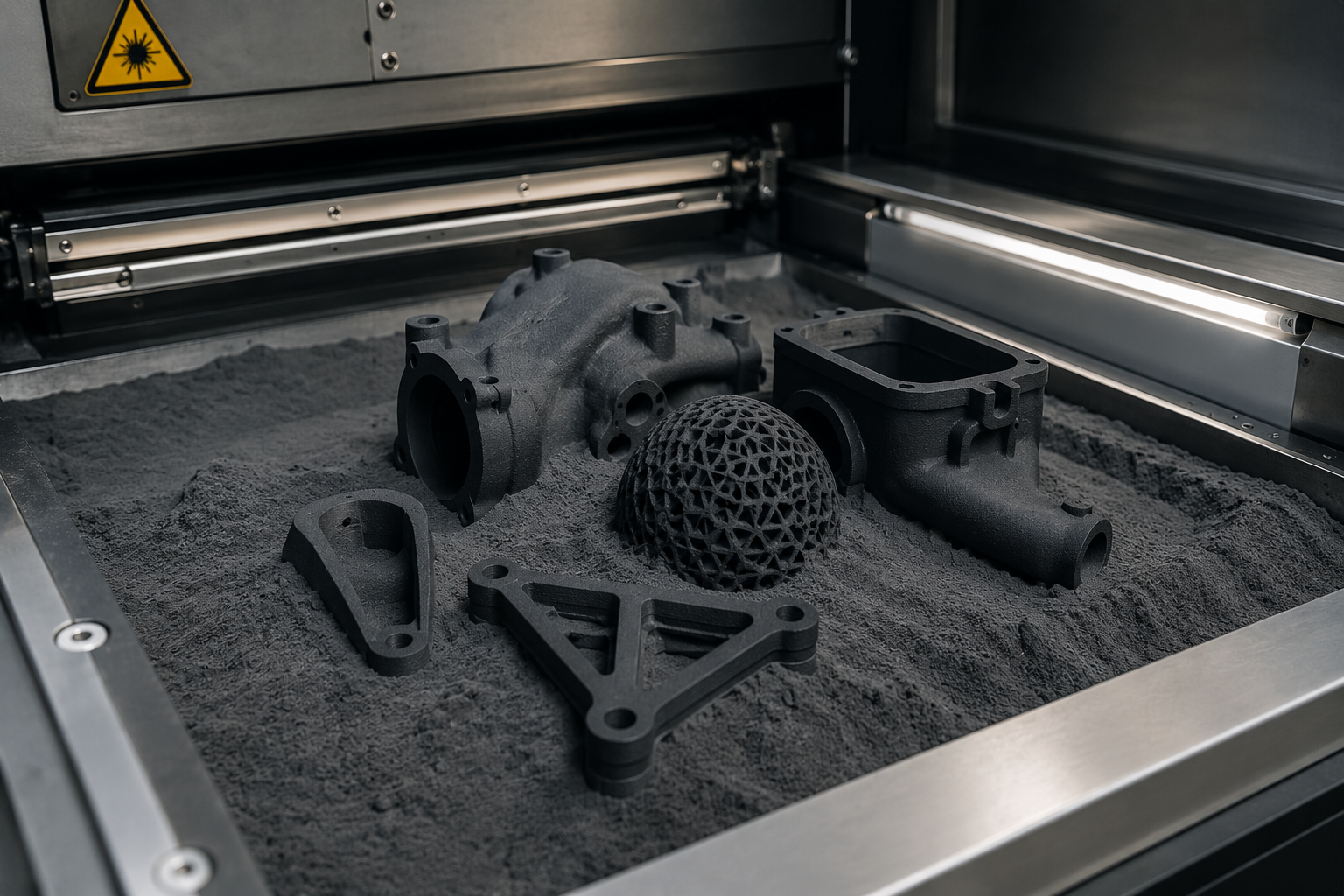
Produce functional nylon components without investing tens of thousands of dollars in molds and tooling. SLS allows companies to validate market demand and scale intelligently before committing to injection molding; in some cases, SLS has even proven to be the most economical manufacturing technology in a production environment.
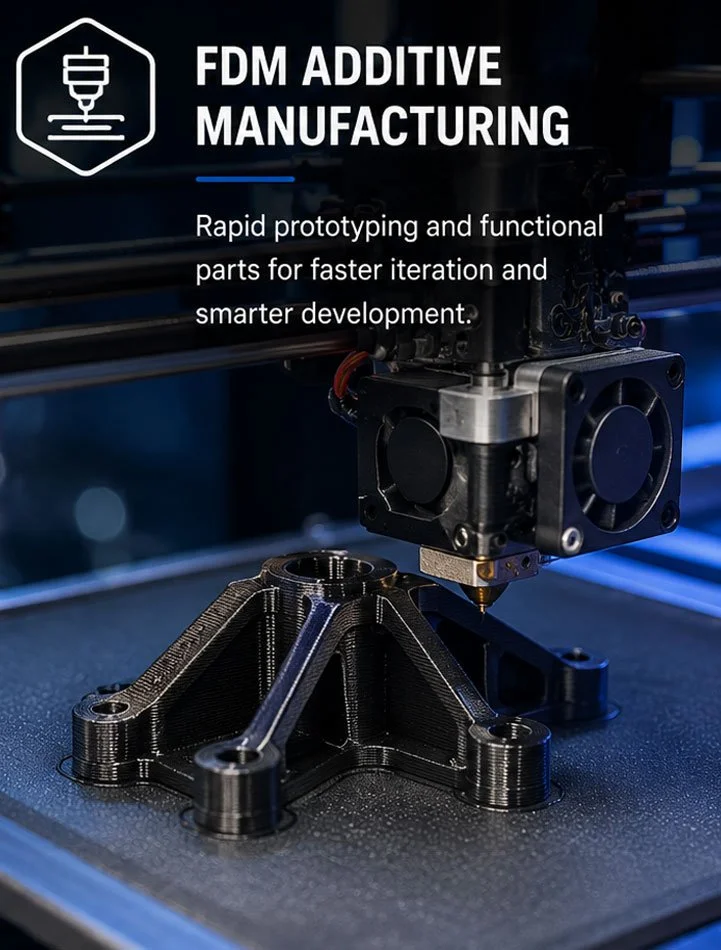
Industrial FDM Additive Manufacturing
Fused Deposition Modeling (FDM) is the ideal platform for rapid prototyping, product development, and concept validation. Parts can often be produced within days, allowing engineering teams to test form, fit, and function before moving to production.
FDM is ideal for:
Product ideation
Design iteration
Engineering samples
Form and fit testing
Manufacturing fixtures
Production tooling aids
Concept validation
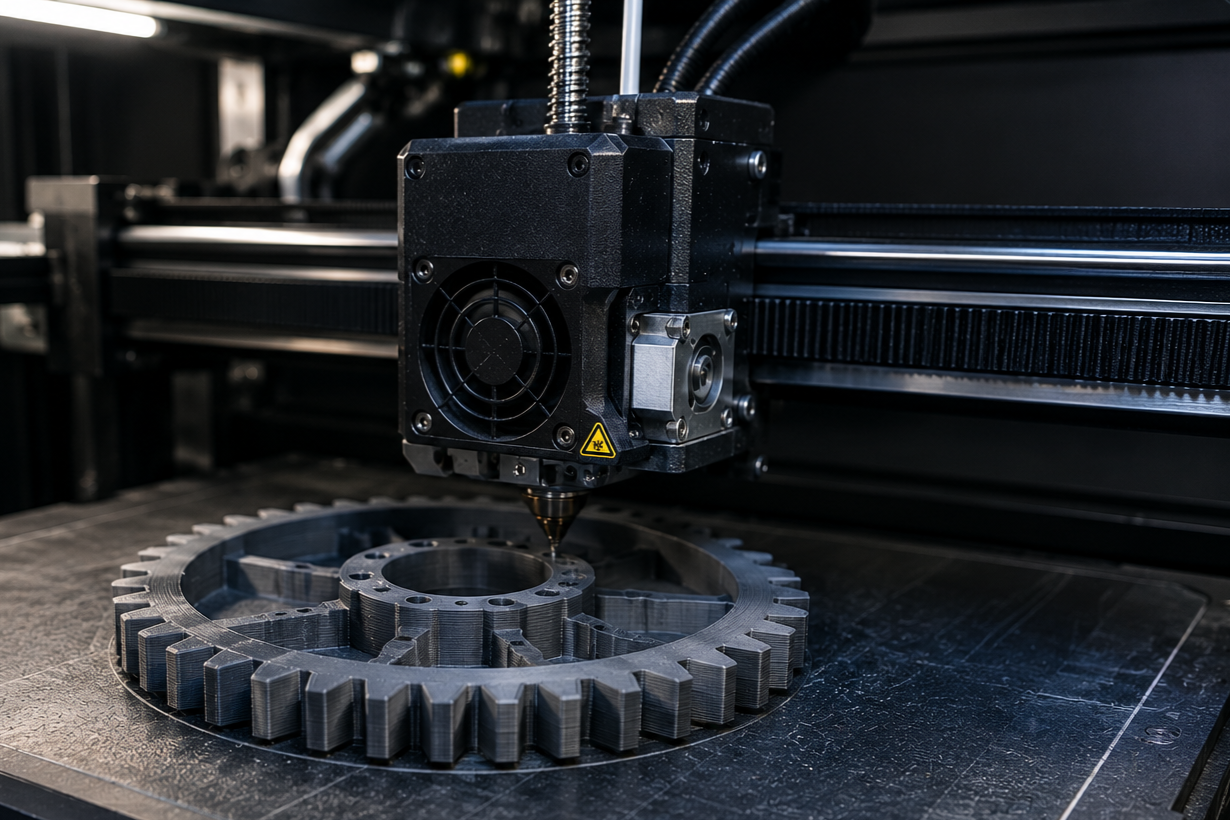
Engineering grade FDM polymers now enable UV, chemical, and heat resistant parts to be produced in hours, not weeks.
Rapid iteration enables engineers and entrepreneurs to identify issues early and improve designs before expensive production decisions are made.
Additive vs Traditional Manufacturing
Product Volume Dictates the Manufacturing Process
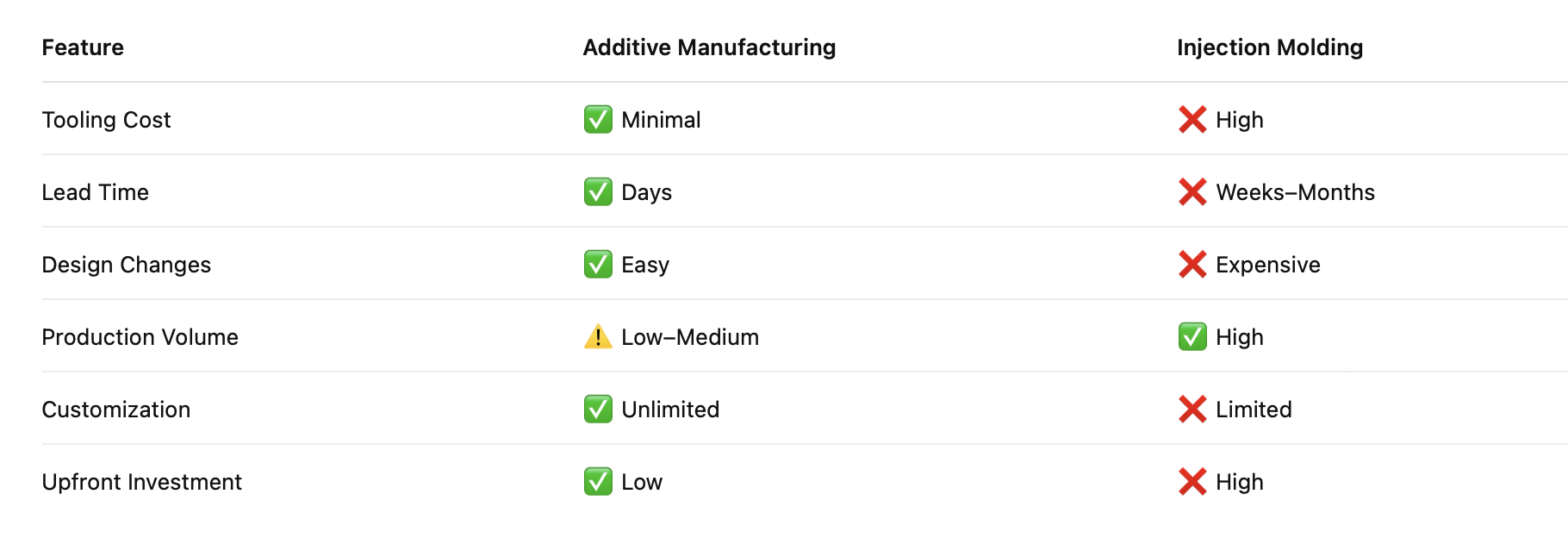
Most additive manufacturing providers focus solely on producing parts. DSG combines additive manufacturing capabilities with real-world manufacturing experience.
Because DSG also supports sourcing, supplier management, and contract manufacturing, we can support your product from initial concept through full-scale production.
We help customers determine:
Whether additive manufacturing is the right solution
When to transition to traditional manufacturing
Design considerations for manufacturability
Cost reduction opportunities
Production scaling strategies